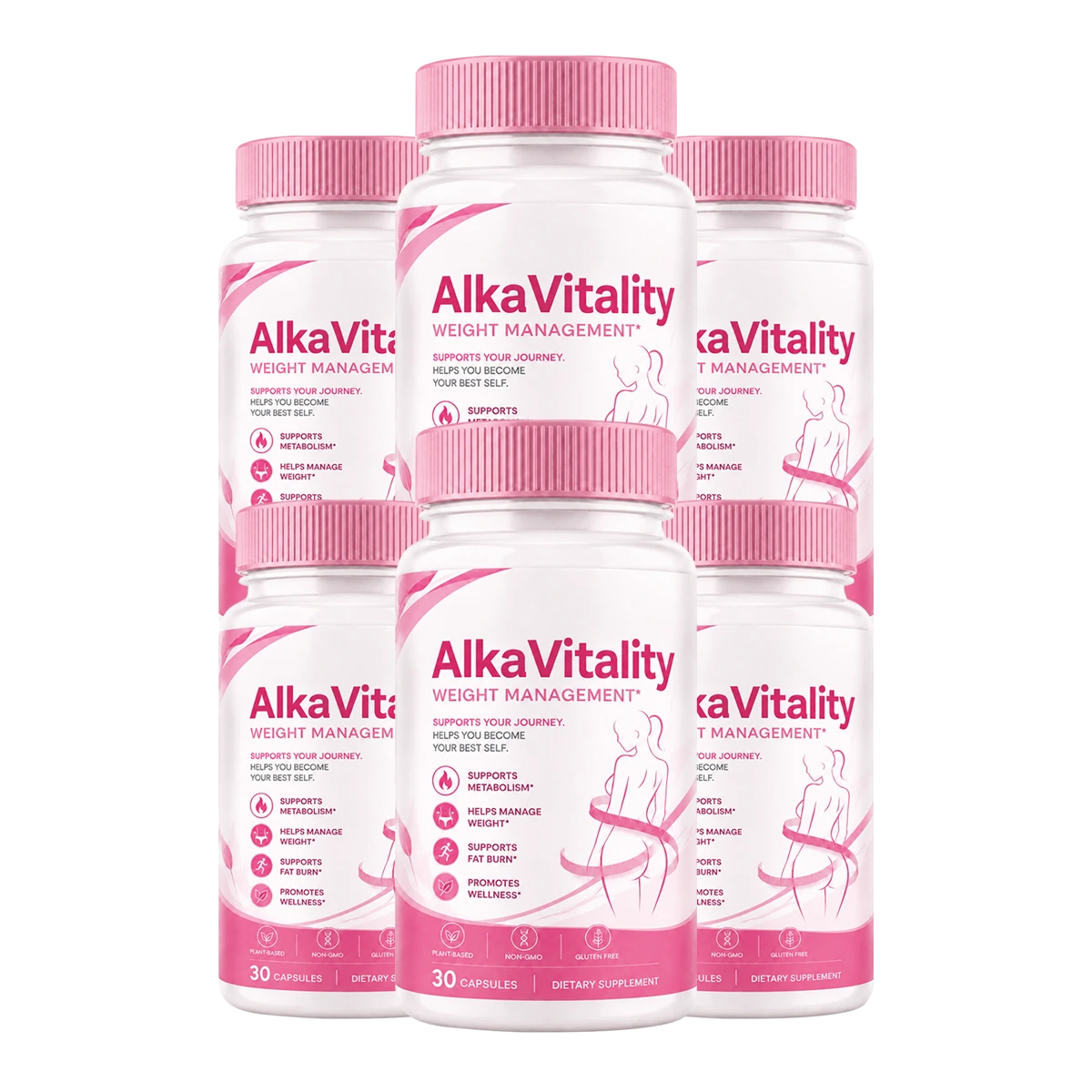
The Alkaline Diet Theory, Explained
AlkaVitality's central marketing claim is that excess bodily acidity slows metabolism and triggers cravings, and that restoring pH balance helps with weight management.
Understanding what this theory does and doesn't establish helps set realistic expectations for any alkalizing supplement.
What the alkaline diet theory claims
The theory holds that certain foods (often meat, grains, and processed foods) create an "acidic load" in the body, while others (typically fruits and vegetables) are "alkalizing," and that shifting this balance can improve metabolism, energy and weight management.
What mainstream nutrition science says
The human body tightly regulates blood pH within a narrow range regardless of diet, primarily through the lungs and kidneys, as discussed by Harvard's Nutrition Source. Diet can influence urine pH more readily than blood pH. Some research links higher dietary acid load to metabolic health markers, reviewed on PubMed Central, but this is a different and more modest claim than "alkalizing supplements burn fat."
Applying this to AlkaVitality
AlkaVitality's marketing leans on this theory as its central positioning, but the brand does not disclose which specific ingredients are meant to deliver this effect, making the claim impossible to verify against the actual formula.